Get Conduit Installation
Conduit installation services help property owners run electrical, data, or communication cables through walls, floors, or ceilings, typically for new constructions or upgrades.
If you're considering conduit installation for your property, you're in the right place to explore your options. Proper conduit systems are essential for protecting electrical wiring and ensuring safety, especially during property upgrades or new construction projects. Property owners in the area often seek out local contractors to help plan and execute these installations effectively, whether for residential, commercial, or industrial needs. Continuing to read can provide helpful insights into how experienced service providers can assist with your project planning and help you compare local options.
Finding the right local contractors for conduit installation involves understanding the scope of your project and evaluating the expertise available nearby. Many property owners look into various service providers to ensure their systems are installed correctly and meet safety standards. By exploring your local options, you can connect with professionals who are familiar with regional requirements and best practices, making it easier to move forward with your project with confidence. Keep reading to learn more about how local experts can support your conduit installation needs.
- Conduit installation for new construction - needed when wiring infrastructure must be set up during the building process.
- Electrical conduit replacement - required when existing conduits are outdated or damaged and need upgrading.
- Conduit repair services - necessary if conduits have become cracked, corroded, or compromised over time.
- Outdoor conduit installation - used when protecting electrical wiring from weather exposure in exterior settings.
- Conduit rerouting services - needed during renovations or expansions to adjust wiring pathways.
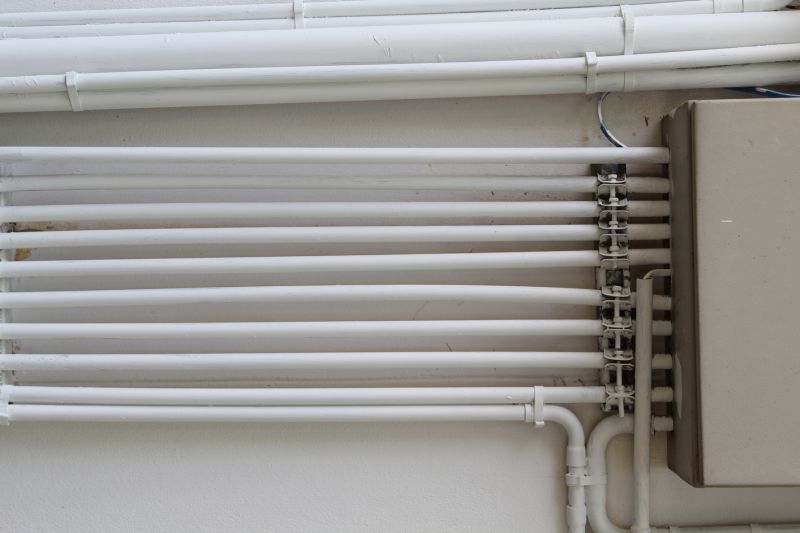
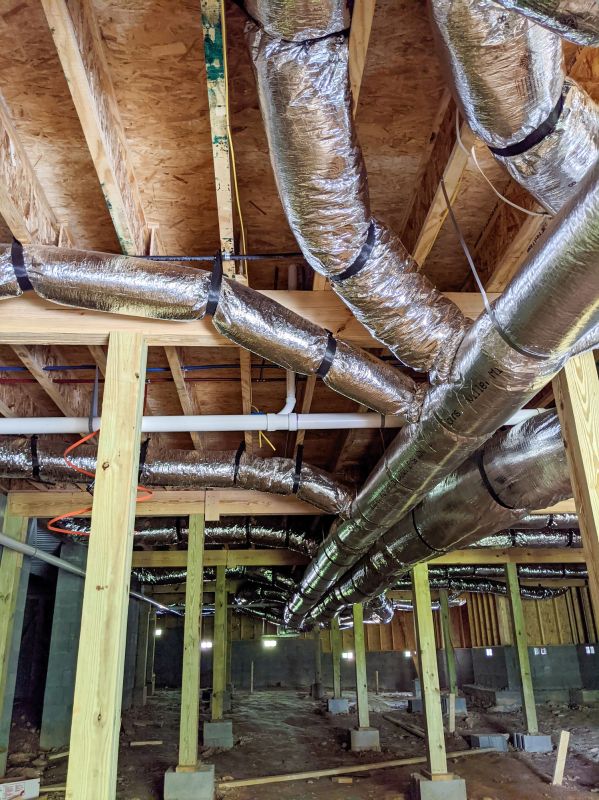
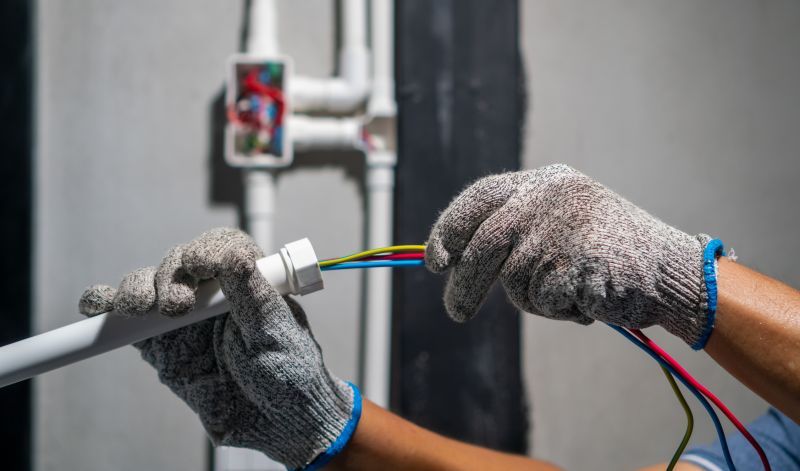
Conduit installation services involve setting up the necessary piping system that safely directs electrical wiring through a property. This process includes selecting the appropriate type of conduit, such as metal or plastic, and properly securing it along walls, ceilings, or underground pathways. Skilled service providers ensure that the conduit is installed correctly to protect the wiring from damage, moisture, and other environmental factors, which helps maintain the safety and functionality of electrical systems throughout the property.
Many common electrical issues can be addressed through conduit installation, especially in situations where existing wiring is exposed, damaged, or not up to current safety standards. Installing conduit helps prevent electrical shorts, reduces the risk of fire hazards, and makes future upgrades or repairs easier to perform. It is also an effective solution for properties experiencing frequent wiring problems or where wiring runs through areas prone to moisture or physical impact, ensuring a safer and more reliable electrical setup.
Conduit installation services are often needed for a variety of property types, including residential homes, multi-unit apartment buildings, commercial offices, and industrial facilities. Homeowners may seek this work when renovating or upgrading electrical systems, or if they notice issues like exposed wiring or frequent electrical faults. Commercial and industrial property owners might require conduit installation to meet safety codes, accommodate new electrical equipment, or improve overall wiring durability in high-traffic or hazardous areas.
Understanding when conduit installation is necessary can help property owners address potential electrical problems before they escalate. If there are signs of damaged or outdated wiring, or if new electrical fixtures are being added, consulting with local contractors can ensure the wiring is protected and compliant with safety standards. These professionals can evaluate the property’s needs and recommend the appropriate conduit solutions to enhance electrical safety and reliability across various types of properties.
The overview below groups typical Conduit Installation projects into broad ranges so you can see how smaller, mid-sized, and larger jobs often compare in your area.
In many markets, a large share of routine jobs stays in the lower and middle ranges, while only a smaller percentage of projects moves into the highest bands when the work is more complex or site conditions are harder than average.
Smaller Repairs - Typical costs for minor conduit installation or repairs range from $250 to $600. Many routine jobs fall within this range, covering tasks like replacing a section of conduit or fixing a small leak.
Partial Installation - Installing conduit for a specific area or a single fixture can cost between $600 and $1,500. Local contractors often handle these projects efficiently within this middle range.
Full System Replacement - Replacing an entire conduit system in a building can cost from $2,000 to $5,000 or more, depending on the size and complexity of the property. Larger, more complex projects tend to reach the higher end of this spectrum.
Complex or Commercial Projects - Large-scale conduit installations for commercial properties or extensive renovations can exceed $10,000. Such projects are less common but represent the upper tier of typical costs handled by experienced service providers.
Actual totals will depend on details like access to the work area, the scope of the project, and the materials selected, so use these as general starting points rather than exact figures.
Electrical Wiring Projects - electricians who install conduit often handle complex wiring systems for residential and commercial buildings, requiring similar planning and installation skills.
Data Cabling Installations - professionals installing structured cabling for networks utilize conduit installation techniques to protect and organize communication lines.
Lighting Fixture Installations - installing lighting fixtures in new or existing structures involves conduit routing and planning comparable to conduit installation services.
Security System Wiring - setting up security cameras and alarm wiring often requires conduit installation to ensure organized and protected cable runs.
Audio/Visual Cable Runs - installing audio and visual cables in commercial spaces involves conduit planning and installation similar to conduit services.
Electrical Panel Upgrades - upgrading electrical panels often involves installing or modifying conduit pathways to accommodate new wiring requirements.
When comparing local contractors for conduit installation, it’s important to consider their experience with similar projects. An experienced service provider will be familiar with the specific requirements and challenges that such installations can present, which can contribute to a smoother process and a quality outcome. Homeowners should look for local pros who have a track record of handling projects comparable in scope and complexity, as this indicates their familiarity with local building codes, materials, and best practices.
Clear, written expectations are essential when evaluating potential service providers. A reputable contractor will be able to provide a detailed scope of work, outlining the tasks involved, materials to be used, and any relevant project milestones. This transparency helps ensure that both parties have aligned understandings of what the job entails, reducing the likelihood of misunderstandings or surprises later on. Homeowners should seek service providers who communicate their plans clearly and provide documentation that outlines the project’s specifics.
Reputable references and good communication are key indicators of a reliable local contractor. Speaking with previous clients can offer insights into the contractor’s professionalism, reliability, and quality of work. Additionally, contractors who communicate effectively-responding promptly to questions, providing updates, and addressing concerns-are more likely to deliver a positive experience. When choosing a service provider, homeowners should prioritize those who demonstrate a commitment to clear communication and have verifiable references, as these qualities can significantly influence the success of the project.
Property owners use Conduit Installation services for practical projects around their homes and businesses. This guide focuses on everyday jobs and straightforward project options.
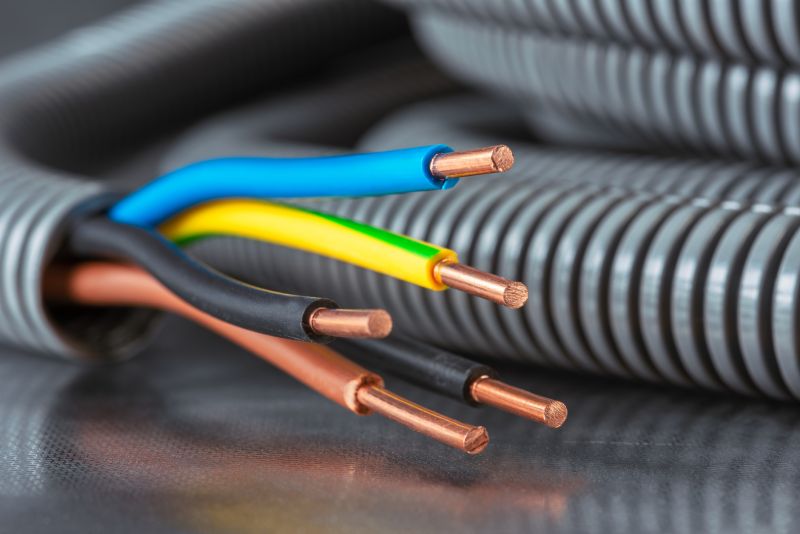
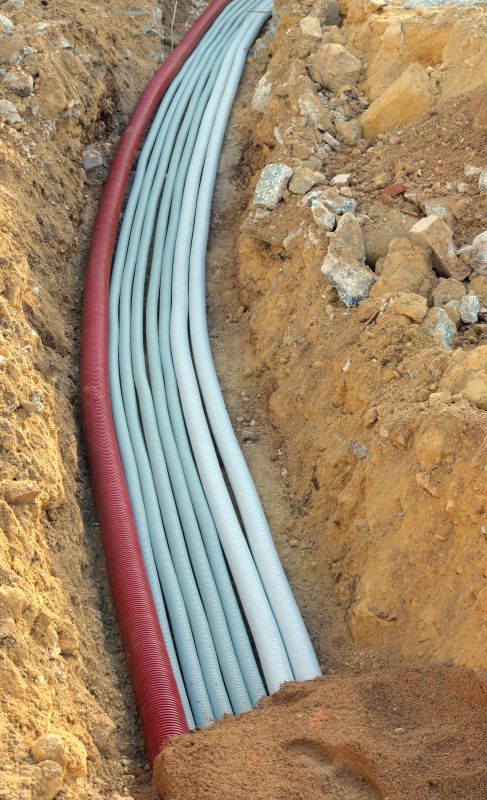
Conduit installation services are often needed during home renovation projects, electrical upgrades, or when new appliances and systems are added to a property. Property owners may seek out local contractors to ensure wiring and conduit pathways are properly installed to meet safety standards and support the electrical needs of their homes or businesses. Whether replacing outdated wiring, expanding electrical capacity, or installing new fixtures, having experienced service providers handle conduit work helps ensure the job is done correctly and efficiently.
In everyday situations, property owners might look for conduit installation when experiencing issues like damaged wiring, outdated electrical infrastructure, or planning for future electrical expansions. Local contractors can assist with installing new conduits to protect wiring from environmental factors or to improve the organization of electrical systems. Connecting with qualified service providers can help property owners address these needs reliably, ensuring their electrical systems are safe and up to code.
What types of conduit installation services are available? Local contractors can handle various conduit installation needs, including electrical, data, and communication conduit systems for residential or commercial properties.
How do I find qualified conduit installation professionals? The platform helps connect with local service providers who specialize in conduit installation, allowing comparisons based on experience and expertise.
What should I consider before installing conduit? It's important to evaluate the type of wiring, conduit material, and building codes to ensure proper installation and compliance with local regulations.
Are there different conduit materials suited for specific applications? Yes, common materials include PVC, metal, and flexible conduit, each suitable for different environments and installation requirements.
Can conduit installation be integrated with existing electrical systems? Many local contractors can coordinate conduit installation with existing wiring and electrical systems to ensure a seamless setup.
Conduit Installation for New Plumbing Systems - Property owners can ensure proper routing of water and waste lines during new construction or major renovations.
Upgrading Existing Conduits - Homeowners may replace outdated or damaged conduits to improve plumbing efficiency and reduce leaks.
Installing Conduits for Outdoor Irrigation - Gardeners and landscapers can set up conduits to support reliable outdoor watering systems.
Adding Conduits for Electrical Wiring - Property owners might use conduit services to safely run electrical wiring for additional outlets or lighting fixtures.
If you are thinking about Conduit Installation for a property, this guide is meant to help you understand the work, the typical project types, and how different options might fit your plans.
When you are ready, you can use the quote form on this page to share a few details about your project. From there, local pros can review the basics and respond with options that match what you have in mind.