Professional Backup Generator Installation Solutions
Installing a backup generator provides reliable power during outages, ensuring continuous operation of essential appliances and systems. Many homeowners recognize the importance of having a dependable power source to maintain comfort, security, and safety without interruption.
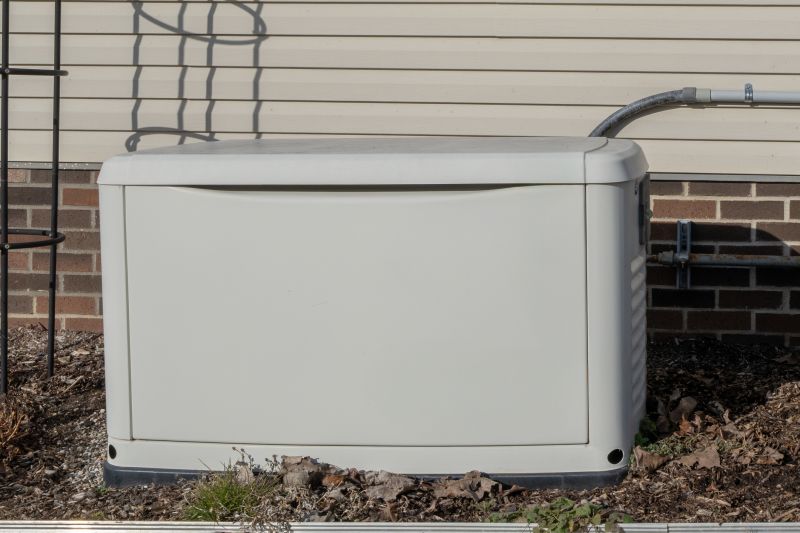
Modern residential backup generators are designed for quiet operation and efficient power delivery, suitable for various home sizes and energy needs.
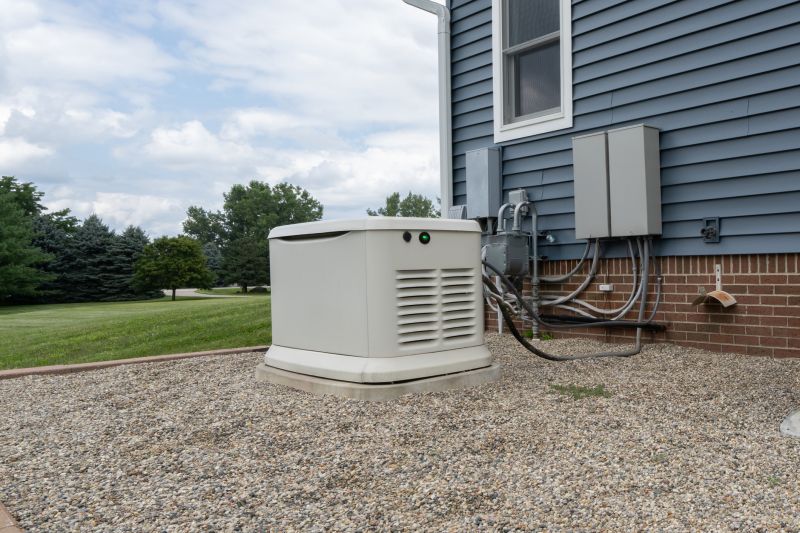
Installation involves integrating the generator with existing electrical systems to ensure seamless power transfer during outages.
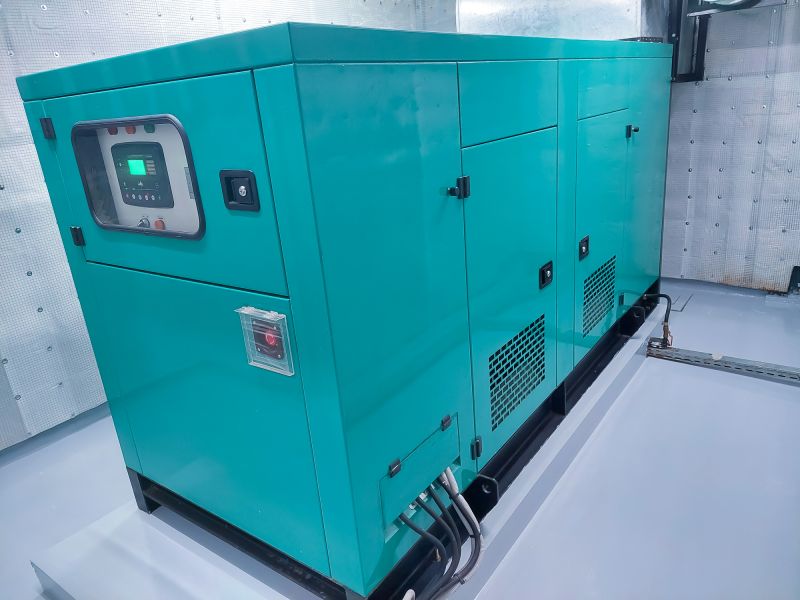
Advanced control panels allow homeowners to monitor and manage generator operation remotely or manually.
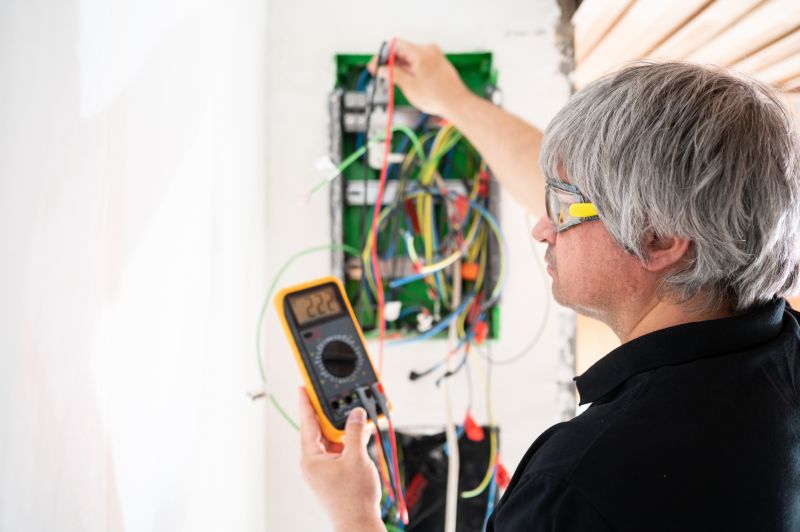
Properly configured distribution panels ensure safe and reliable delivery of backup power to critical circuits.
The process of installing a backup generator typically begins with a site assessment to determine the optimal location and capacity requirements. This includes evaluating electrical loads, accessibility, and proximity to utility connections. Once the site is prepared, the installation involves mounting the generator, connecting fuel sources, and integrating it with the electrical system. The entire process usually takes between one to three days, depending on the complexity of the setup and site conditions.
A backup generator maintains security systems and exterior lighting during power outages, reducing vulnerability.
Continuous operation of heating, cooling, and appliances ensures comfort regardless of external conditions.
Generators help preserve food in refrigerators and freezers, preventing spoilage during outages.
Knowing that power will be available during emergencies reduces stress and enhances safety for all household members.
Having a backup generator installed offers significant benefits, including increased resilience against power disruptions, potential property value enhancement, and the ability to maintain essential operations without interruption. It provides peace of mind, especially during severe weather events or utility failures, ensuring that daily routines are minimally impacted.
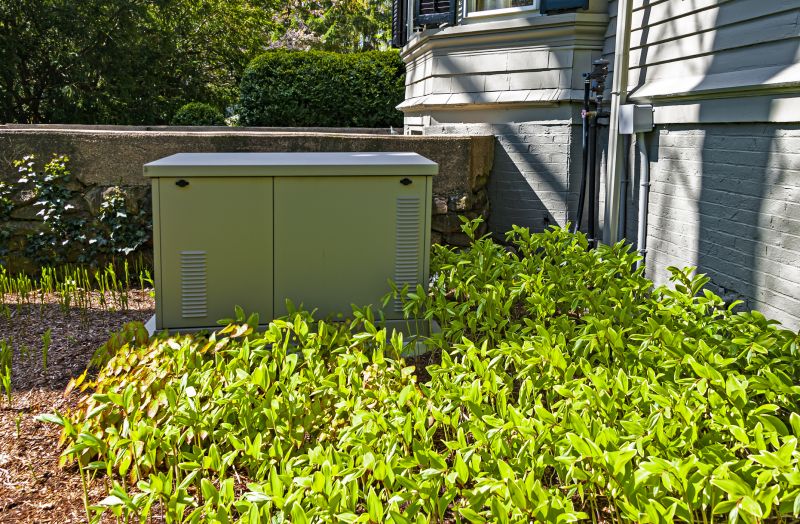
A compact, quiet generator installed in a residential setting provides reliable backup power without disrupting outdoor aesthetics.
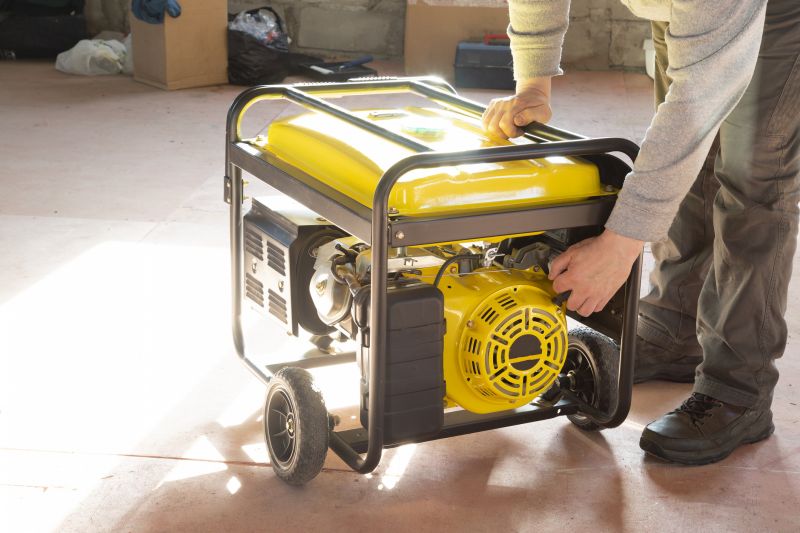
Automatic transfer switches enable seamless switching between utility power and backup supply, ensuring continuous operation.
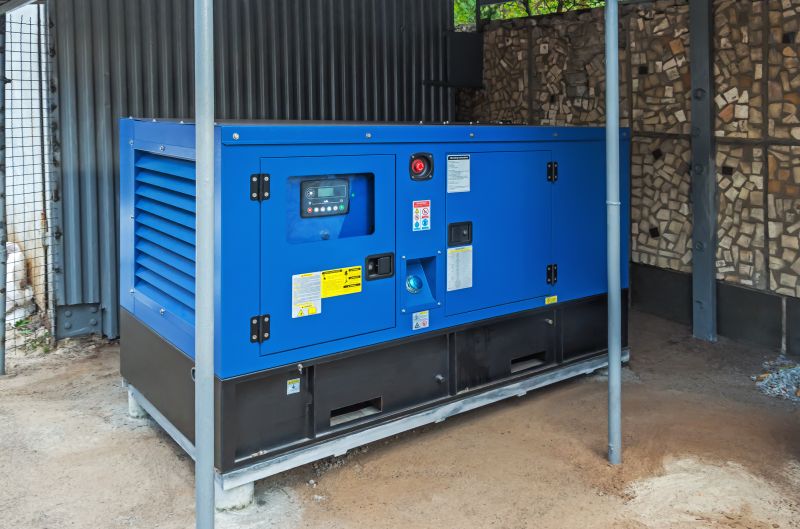
Proper wiring and connection ensure safety and efficiency in generator operation during outages.
Selecting the right generator involves assessing household power needs, available space, and fuel preferences. Proper sizing is crucial to ensure the generator can handle essential loads without overloading, which can lead to operational issues. Professional installation guarantees compliance with safety standards and optimal performance, providing long-term reliability and peace of mind.
| Aspect | Details |
|---|---|
| Typical Installation Time | 1 to 3 days |
| Site Preparation Requirements | Clearance for ventilation, accessible fuel connections |
| Generator Capacity Range | 7 kW to 20 kW for residential use |
| Fuel Types | Natural gas, propane, diesel |
| Maintenance Frequency | Annual inspections and testing |
| Cost Range | Varies based on capacity and features, generally $3,000 to $10,000 |
| Power Coverage | Whole-house or critical circuits |
| Installation Location | Garage, driveway, or dedicated outdoor pad |
Proper installation of a backup generator enhances home resilience and operational reliability. It is essential to work with experienced professionals to ensure the system is correctly set up, tested, and maintained for optimal performance during power outages. Investing in a quality backup power solution can provide reassurance and safeguard household functions during unexpected disruptions.
For homeowners interested in adding a backup generator, completing a quick contact form can facilitate obtaining a personalized quote. This step ensures that the selected system meets specific power needs and site conditions, leading to a smooth and efficient installation process.